ATHLETICS
JUNE 11, 2026
🕒 4 min read
....................
Ever since the World Cup was announced to be taking place in North America this summer, I've noticed a recurring theme: a disconnect between many Americans and what is arguably the biggest sporting event in the world.
Recently, while scrolling through TikTok, I heard someone refer to the FIFA World Cup as the "ef-ay-ef-aye World Cup." My ears actually started ringing for a second because it was so jarring to hear. Not because they were technically "wrong", but because it highlighted just how differently many Americans experience the sport compared to the rest of the world. Others commented that they thought it was a one day event and just learned it was a month long tournament.
Growing up in a Cameroonian household in America, the World Cup wasn't simply a tournament. It was an event! Looking forward to it every four years was part of some of my favorite childhood memories. Long before the world knew who Kylian Mbappé was, there were already many people working on their own “Project Mbappé”.

The World Cup brought families together, sparked national pride, and created moments that people carried with them for years. This is why I’m trying to get a better understanding on why the tournament doesn't seem to resonate with the average American in the same way.
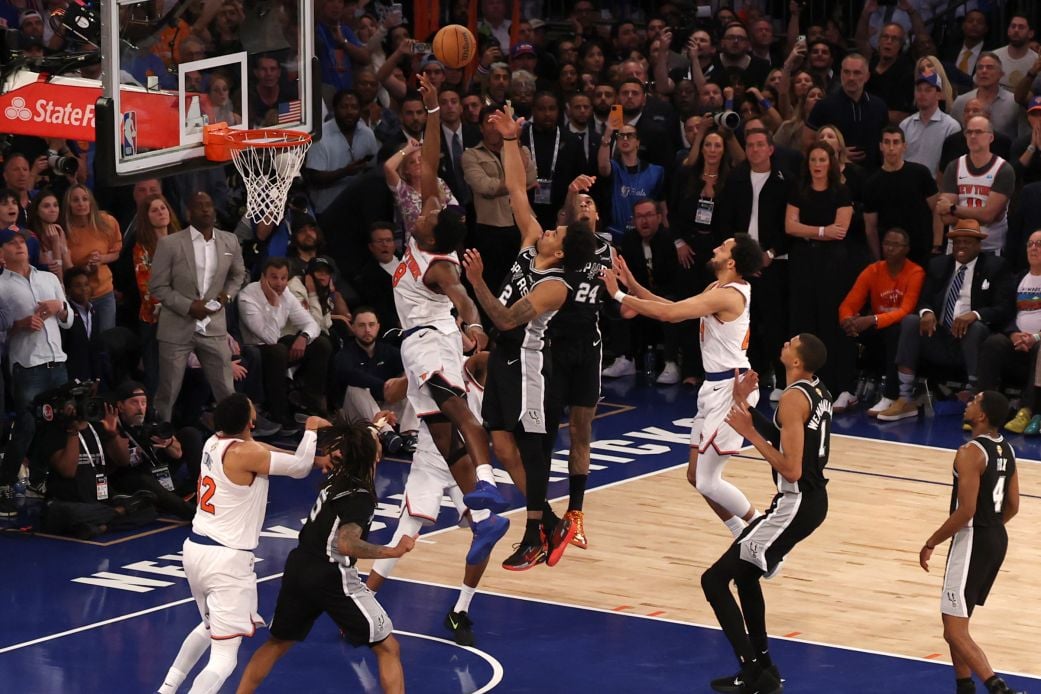
Part of it may be rooted in America's unique sports culture. Unlike much of the world, where football sits at the center of the sporting landscape, Americans already have deeply established leagues that command attention year-round. For many, the NFL, NBA, MLB, and college sports occupy the cultural space that football occupies elsewhere. I mean look at the way New York City is going crazy right now as they prepare to potentially win the NBA Finals.
I also think there is an element of American exceptionalism at play. The reaction to Noah Lyles' comments about American teams calling themselves "world champions" despite competing only in domestic leagues revealed an interesting divide. Much of the world views sports through an international lens, while many Americans are accustomed to viewing sports through a national one. Isn’t it ironic how such a melting pot of a country actually has very little sense of awareness for global cultural events?
I don't think the disconnect comes from a lack of appreciation. Rather, many Americans simply didn't grow up with the World Cup woven into their family traditions and cultural identity. They understand it's important, but they may not have the emotional connection that billions of people around the world have developed over generations. I still don’t think it’s an excuse to not do your own research and learn more on why this tournament has lasted so long.

Perhaps that's why hosting the World Cup is important. It gives people an opportunity to directly interact with the month long tournament in person and online in a way that is inescapable. This summer, many Americans won't just be watching the tournament from afar but many will be able to experience it firsthand. Hopefully, that's what closes the gap between recognizing the World Cup's importance and truly feeling it.
There is nothing technically wrong with saying "ef-ay-ef-aye" because FIFA is an acronym, after all, but hearing it pronounced that way caught me off guard because it revealed something bigger than pronunciation.
I encourage Americans that may not be super aware of the World Cup to attend at least one watch party event, join a local pick up game, or even go to a nearby game. By end of July, I hope there is overall more awareness and appreciation for the sport of football and the important role it plays in bringing people together.
Léonella © 2025